
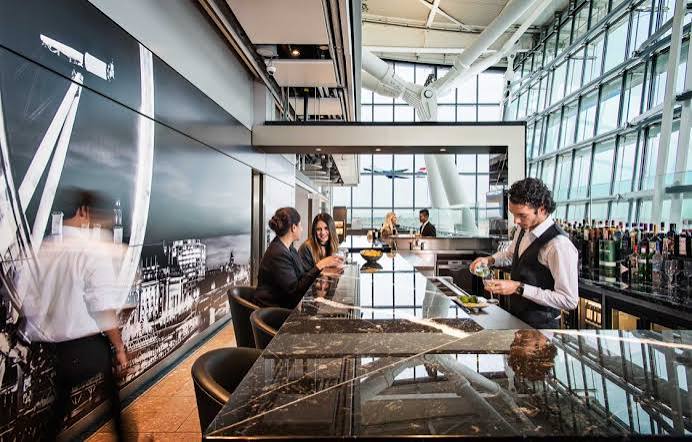
Imagine you are standing in line at the airport. It’s a chaotic scene: tired families, delayed flights, and the endless shuffle of carry-on bags. But then, you see a separate line. It’s short, quiet, and moves quickly. The people in it aren’t just wealthy; they look relaxed. They are sipping champagne in a lounge while everyone else fights for an overhead bin. For years, the travel industry tried to make flying cheap and accessible for everyone. But lately, something has shifted. The biggest airlines are no longer fighting to be the cheapest option on your screen. Instead, they are pouring billions into making the top end of the plane feel like a five-star hotel.
This isn’t just happening at 30,000 feet. Walk into your favorite department store or browse a major online shop, and you’ll notice a similar trend. The middle-of-the-road options are shrinking, while the high-end, luxury sections are expanding. Retailers are realizing that the average shopper is tightening their belt, but the customer who wants an experience is still spending freely. This shift toward the “premium” economy is reshaping how businesses operate, and it tells us a lot about where our money is going in the coming years.
In this article, we will explore why companies are doubling down on luxury when times feel tough for everyone else. We will look at the strategy behind the plush seats and exclusive collections and what this means for you as a consumer and a business thinker. Whether you are saving up for a splurge trip or analyzing market trends, understanding this return to premium will help you navigate the new landscape of commerce.
The Death of the Middle Class Traveler?
If you have booked a flight recently, you might have noticed that ticket prices for basic economy have skyrocketed, while the price gap to “business class” sometimes feels smaller than expected. This is no accident. The traditional middle class of travelers the person who buys a standard coach ticket with a checked bag and a meal is disappearing.
The Squeeze on Standard Service
For decades, airlines made their real profit on volume. They filled planes with people paying moderate fares. But rising fuel costs, labor shortages, and inflation have eaten into those margins. When it costs more to fly a plane, selling a $200 ticket barely breaks even. To make real money, carriers need passengers willing to pay $2,000 or $5,000.
Consequently, the experience for the average traveler has degraded. Seats are smaller, legroom is tighter, and extras like water or snacks often cost extra. This might sound cynical, but it is a calculated move. By making the basic experience less comfortable, airlines gently nudge passengers to upgrade. They are betting that if the gap between misery and comfort is wide enough, you will reach deeper into your pocket to avoid the discomfort.
The Rise of the “Bleisure” Traveler
Another driver of this trend is the change in why we travel. The line between business and leisure has blurred. Many people now work remotely from different cities or combine work trips with vacations. When you are working on a laptop at 30,000 feet, a cramped seat doesn’t cut it. You need space, reliable Wi-Fi, and peace and quiet.
Companies are also changing their policies. While they used to insist on the cheapest fare for employees, many now realize that a rested, productive employee in a lie-flat bed is worth the extra cost. This shift has given airlines the confidence to invest heavily in premium cabins, knowing there is a steady stream of customers who view these upgrades as a necessity, not a luxury.
How Retailers Are Following Suit
The sky isn’t the only place where the middle is vanishing. On the ground, retailers are seeing the same pattern. The “mass market” is splitting into two distinct groups: the bargain hunters and the luxury seekers. The shoppers in the middle, who used to buy decent quality at moderate prices, are being forced to choose sides.
Curating Exclusivity Over Volume
Major brands are noticing that their highest-margin sales come from a small percentage of loyal, high-spending clients. Instead of trying to sell a little bit to everyone, they are focusing on selling a lot to the few. You see this in the way stores are designed. The entrance might feature affordable items, but the back of the store or a separate VIP section is dedicated to high-end, limited-edition goods.
Retailers are also investing in services that feel personal. Think of private shopping appointments, free alterations, or exclusive access to new drops before the general public. These perks create an emotional connection. When you feel special, you are less sensitive to price. In an era where anyone can compare prices instantly on their phone, the only thing a physical store can offer that Amazon cannot is a feeling of belonging and exclusivity.
The Experience Economy
People aren’t just buying products anymore; they are buying memories. A generic handbag is easy to find elsewhere. But a handbag bought in a beautiful boutique with a glass of champagne and a knowledgeable stylist? That is an event. Retailers understand that in a digital world, the “premium” tag is attached to the experience, not just the item.
This is why you see coffee shops turning into lounges, clothing stores adding cafes, and bookshops hosting author dinners. The goal is to keep you in the store longer and make you feel part of a club. If retailers can make you feel like a VIP, they can command higher prices even when inflation is biting everywhere else.
The Psychology Behind the Splurge
Why are people willing to pay so much more for premium experiences when groceries and rent are getting expensive? It seems contradictory, but human psychology offers a clear explanation.
The Lipstick Effect on Steroids
Economists often talk about the “lipstick effect,” where consumers buy small luxuries during recessions to cheer themselves up. Today, this has evolved. People might skip buying a new car or a house because those prices are out of reach, but they will still spend $500 on a business class upgrade or a designer jacket. These purchases feel attainable compared to a mortgage, yet they provide a massive hit of dopamine and status.
For many, these premium experiences are a form of self-care. After years of stress, uncertainty, and pandemic lockdowns, people are prioritizing moments that feel good now. They would rather fly in comfort for one week than save that money for a rainy day that never seems to end. Airlines and retailers are tapping directly into this emotional need for immediate gratification and validation.
Fear of Missing Out (FOMO)
Luxury is often marketed as scarce. “Only four seats left,” “Limited edition release,” “VIP access only.” This triggers a deep-seated fear of missing out. When airlines highlight that their new suites are selling out fast, or retailers announce a drop that will never be restocked, they create urgency. You aren’t just buying a product; you are securing your spot in an exclusive group. In a world that feels increasingly unstable, being part of an “insider” group feels safe and rewarding.
What This Means for Your Wallet and Your Business
So, how does this trend affect you? Whether you are a consumer planning your next trip or an entrepreneur looking at the market, there are valuable lessons here.
For the Consumer: Choose Intentionally
With airlines and retailers pushing hard toward the premium end, it is easier than ever to get swept up in the marketing. Before you upgrade, ask yourself: Is this worth it for me? If a lie-flat bed means you will arrive refreshed and ready to enjoy your vacation, it might be a smart investment. If you are just doing it for the Instagram photo, maybe not.
Be aware of the “degradation trap.” Companies are making the basic option worse to force an upgrade. Don’t let them bully you into spending more than you can afford. Sometimes, the smartest move is to find a different airline or brand that still respects the middle-class customer or to save your splurges for the experiences that truly matter to you.
For the Business Owner: Find Your Niche
If you run a business, look at where you sit in the market. Are you stuck in the muddy middle, competing on price with giants who can undercut you? That is a dangerous place to be. The success of airlines and retailers shows that there is immense value in specialization.
Consider how you can add a “premium” layer to your offering. It doesn’t have to mean raising prices across the board. Can you offer a VIP tier? A personalized service? A higher-quality version of your core product? Customers are willing to pay for value and emotion. If you can make your clients feel seen, heard, and valued, you can build a loyal following that sticks with you even when the economy gets rough.
Embracing the New Normal
The era of cheap, generic everything is fading. We are moving into a time where quality and experience are king. Airlines are turning planes into sky hotels, and retailers are turning stores into sanctuaries. While this creates challenges for budget-conscious shoppers, it also pushes companies to innovate and offer better service to those who can afford it.
This shift reminds us that value is subjective. What feels like a waste of money to one person is a life-changing experience to another. As you navigate this new landscape, remember that you have the power to decide what is worth your hard-earned cash. Don’t let the hype dictate your choices. Instead, focus on the experiences that bring you genuine joy and fulfillment.
Whether you are soaring above the clouds in a suite or walking out of a boutique with a bag that makes you smile, the goal is the same: to live well. The return of premium isn’t just about selling expensive things; it’s about recognizing that life is short, and sometimes, treating yourself to the best version of an experience is exactly what you need. So, go ahead, dream big, plan wisely, and enjoy the ride.