


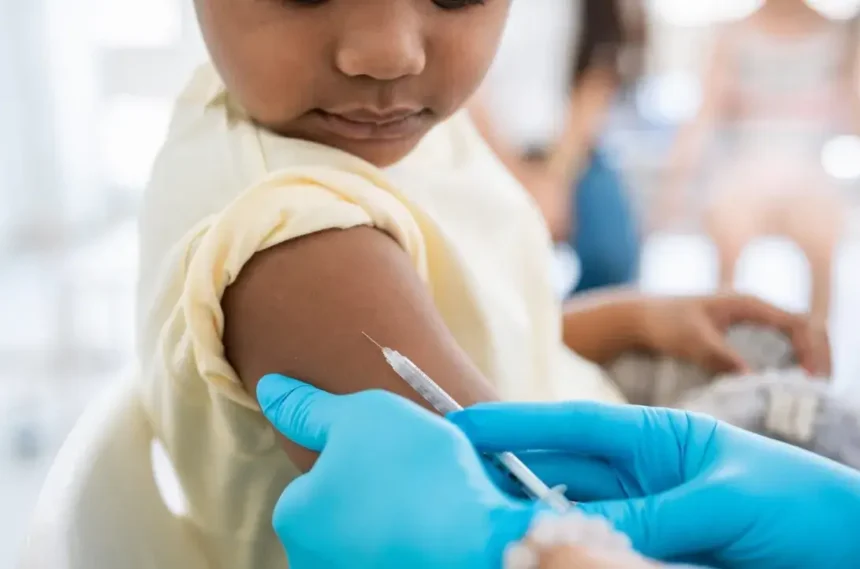
The landscape of pediatric healthcare in the United States underwent a seismic transformation this week. On January 5, 2026, the Department of Health and Human Services (HHS) and the Centers for Disease Control and Prevention (CDC) announced a radical overhaul of the recommended childhood immunization schedule. This update has effectively sidelined several vaccines that were once considered routine for every American child. By reducing the number of universally recommended diseases from 17 down to 11, federal health officials have moved the nation toward a model of healthcare that emphasizes individual risk assessment and shared clinical decision-making over broad, population-wide mandates.
- The Core List: Which 11 Diseases Remain on the Universal Schedule?
- The Sidelined Six: Vaccines Moving to Shared Clinical Decision-Making
- Hepatitis A: The Foodborne Risk
- Hepatitis B: Protecting the Liver from Birth
- Rotavirus: Eliminating Winter Vomiting Syndrome
- Meningococcal Disease: The Rare but Deadly Threat
- RSV and the Yearly Influenza Shot
- The Economic and Insurance Implications of the 2026 Change
- Why the CDC Made This Decision: The Peer-Nation Comparison
- Navigating the Conversation: Shared Clinical Decision-Making
- The Potential Risks of a Sidelined Schedule
- The Role of State Mandates
- A Turning Point for American Public Health
- Sources for Further Reading
For parents, healthcare providers, and insurance policy experts, this shift represents more than just a change in a calendar. it signifies a new era in preventative medicine where the burden of choice and the necessity of detailed medical consultation have never been higher. Understanding which vaccines have been moved out of the universal category and what specific diseases they prevent is now the primary task for every household with young children.
The Core List: Which 11 Diseases Remain on the Universal Schedule?
Despite the significant reductions, the federal government maintains that a core group of vaccines remains essential for the collective health of the nation. These 11 diseases are categorized as those with high international consensus for routine vaccination. The vaccines still recommended for every child include:
- Diphtheria, Tetanus, and Pertussis (DTaP): Often administered as a combination shot to prevent severe respiratory issues and lockjaw.
- Haemophilus influenzae type b (Hib): A primary cause of bacterial meningitis in young children.
- Pneumococcal Disease: Protecting against pneumonia, sepsis, and ear infections.
- Polio (IPV): The inactivated poliovirus vaccine remains a staple to prevent paralytic disease.
- Measles, Mumps, and Rubella (MMR): The foundational triple-shot for highly contagious viral infections.
- Varicella (Chickenpox): Preventing the itchy rash and potential complications like skin infections or pneumonia.
- Human Papillomavirus (HPV): Notably, this recommendation has been streamlined to a single dose instead of the previous two or three dose series.
While these 11 remain the baseline, the focus of national health discussions has shifted to the six diseases that are no longer part of this universal umbrella.
The Sidelined Six: Vaccines Moving to Shared Clinical Decision-Making
The most controversial aspect of the January 2026 update is the reclassification of vaccines for six specific conditions. These are no longer “routine” for every child but are instead reserved for “high-risk” populations or are left to “shared clinical decision-making” (SCDM). This means that instead of a pediatrician automatically preparing these shots, parents must now proactively discuss them with their healthcare provider to determine if the child’s individual circumstances warrant the protection.
The diseases now considered sidelined from the universal schedule are:
- Hepatitis A
- Hepatitis B
- Rotavirus
- Meningococcal Disease (Meningitis ACWY and B)
- Influenza (The Yearly Flu Shot)
- Respiratory Syncytial Virus (RSV)
To appreciate the gravity of these changes, we must examine the physiological impact of these diseases and the historical success of the vaccines that are now being moved to the periphery of public health policy.
Hepatitis A: The Foodborne Risk
Hepatitis A is a highly contagious liver infection caused by the hepatitis A virus. Unlike Hepatitis B or C, it does not typically result in chronic liver disease, but it can cause significant morbidity. The virus is primarily spread through the fecal-oral route, often via contaminated food or water or close personal contact.
Symptoms can range from mild to severe and include fever, malaise, loss of appetite, diarrhea, nausea, abdominal discomfort, dark-colored urine, and jaundice (yellowing of the skin and eyes). In some cases, particularly in older children and adults, it can lead to acute liver failure.
Before the vaccine was universally recommended in 2006, Hepatitis A was a common occurrence in daycare centers and schools. The universal vaccination program led to a 95% reduction in cases across the United States. Under the 2026 guidelines, the CDC now suggests that this vaccine be prioritized for children traveling to high-risk regions or those with specific medical vulnerabilities, rather than every toddler in the country.
Hepatitis B: Protecting the Liver from Birth
Perhaps the most debated change involves the Hepatitis B vaccine. For decades, the CDC recommended the first dose of this series be administered within 24 hours of birth. This was intended to provide a “safety net” against transmission from mothers whose infection status might be unknown or from household members with chronic infections.
Hepatitis B is a viral infection that attacks the liver and can cause both acute and chronic disease. It is transmitted through contact with the blood or other body fluids of an infected person. For infants, the risk is particularly high because if they contract the virus at birth, they have a 90% chance of developing a chronic infection. Chronic Hepatitis B can lead to cirrhosis, liver failure, and liver cancer later in life.
The 2026 update moves Hepatitis B vaccination for newborns to a risk-based model. If a mother tests negative for the virus, the CDC now suggests delaying the first dose until the child is two months old or skipping it entirely based on the provider’s assessment. This change mirrors the schedules of several European nations, such as Denmark, but it places a heavy reliance on the accuracy of maternal screening and the stability of the child’s environment.
Rotavirus: Eliminating Winter Vomiting Syndrome
Before 2006, Rotavirus was the leading cause of severe diarrhea among infants and young children worldwide. In the United States, it was so common that it was often referred to as “winter vomiting syndrome.” Almost every child in the U.S. was infected with rotavirus by age five.
The virus causes severe watery diarrhea, vomiting, fever, and abdominal pain. The primary danger of rotavirus is dehydration, which frequently led to tens of thousands of hospitalizations annually before the oral vaccine was introduced. Since the universal recommendation began, hospitalizations for rotavirus in the U.S. plummeted by nearly 90%.
By moving the rotavirus vaccine to the shared clinical decision-making category, the CDC is acknowledging that while the disease is miserable, it is rarely fatal in developed nations with access to advanced rehydration therapy. However, critics of the move point out that the economic cost of parental work loss and the strain on pediatric emergency rooms could increase if rotavirus infections surge once again.
Meningococcal Disease: The Rare but Deadly Threat
Meningococcal disease refers to any illness caused by the bacteria Neisseria meningitidis. The most well-known and feared form is meningococcal meningitis, an infection of the lining of the brain and spinal cord. It can also cause bloodstream infections (sepsis or meningococcemia).
This disease is particularly notorious because it can progress with frightening speed. A child can go from perfectly healthy to critically ill or deceased within 24 hours. Even with antibiotic treatment, about 10% to 15% of people with meningococcal disease die. Of those who survive, about 20% live with permanent disabilities, such as brain damage, hearing loss, or limb loss.
The vaccines (MenACWY and MenB) have historically been recommended for pre-teens and teenagers, especially those heading to college dormitories where outbreaks are most common. The 2026 sidelining of these vaccines into the “high-risk” and “SCDM” categories suggests a shift toward targeting only those with specific immune deficiencies or those in outbreak settings. For the average adolescent, the vaccine will now require a specific request and consultation.
RSV and the Yearly Influenza Shot
Respiratory Syncytial Virus (RSV) and Influenza represent the two most common causes of seasonal pediatric hospitalization. RSV is the leading cause of bronchiolitis and pneumonia in infants under one year of age. In 2023, the introduction of nirsevimab (a long-acting monoclonal antibody) and maternal vaccines offered a new shield against this winter scourge.
However, the 2026 guidelines have pulled back on the universal push for RSV protection. Instead, it is now suggested only for infants whose mothers were not vaccinated during pregnancy or those with high-risk conditions like premature birth or congenital heart disease.
Similarly, the annual influenza vaccine, which has been recommended for everyone six months and older since 2010, is now a matter of shared decision-making. While the flu kills hundreds of children in the U.S. each year, the 2026 policy reflects a philosophy that the vaccine should be a choice rather than a standard expectation for the general healthy population.
The Economic and Insurance Implications of the 2026 Change
One of the most pressing questions following the HHS announcement is how this will impact the cost of healthcare for families. Historically, vaccines recommended by the CDC’s Advisory Committee on Immunization Practices (ACIP) are required by the Affordable Care Act (ACA) to be covered by private insurance with no out-of-pocket costs for the patient.
HHS Secretary Robert F. Kennedy Jr. has stated that despite the change in recommendation status, these vaccines will remain covered by Medicaid, the Vaccines for Children (VFC) program, and private insurers through the end of 2026. This is a critical distinction: “non-consensus” vaccines are not being banned or removed from the market. They are being reclassified.
However, the long-term insurance landscape remains uncertain. If a vaccine is no longer “routinely recommended,” insurers may eventually find legal avenues to stop covering them at 100%. For now, the “shared clinical decision-making” designation serves as a bridge, allowing parents to still access these immunizations for free, provided they have the necessary conversation with their doctor.
For medical practices, the change introduces new administrative complexities. Pediatricians will need to spend more time during well-child visits explaining the risks and benefits of these six sidelined vaccines. This “shared decision-making” process is a high-value clinical service that requires detailed patient education and documentation.
Why the CDC Made This Decision: The Peer-Nation Comparison
The primary justification cited by the Trump administration and HHS for this overhaul is the desire to align American pediatric standards with those of other wealthy, developed nations. Countries like Denmark, Germany, and Japan have historically recommended fewer routine shots than the United States.
Before 2026, the U.S. had one of the most robust vaccination schedules in the world, covering 17 diseases. By moving to 11, the U.S. now sits closer to the middle of the pack among the G7 nations. Proponents of the change argue that this reduction will rebuild public trust in health institutions by appearing less “aggressive” and allowing for more parental autonomy.
Skeptics, however, note that the epidemiological reality of the United States is different from that of a small, homogenous nation like Denmark. The U.S. has a larger, more mobile population, significant pockets of poverty with limited access to emergency care, and different patterns of disease circulation. The “peer-nation” argument assumes that what works in a different socialized healthcare system will translate perfectly to the complex, privatized American system.
Navigating the Conversation: Shared Clinical Decision-Making
The term “Shared Clinical Decision-Making” (SCDM) is now the most important phrase in a parent’s vocabulary. Unlike a universal recommendation, which is a “one-size-fits-all” approach, SCDM recognizes that some vaccines may be beneficial for an individual even if they aren’t necessary for the entire population.
When discussing the sidelined vaccines with a pediatrician, parents should consider the following factors:
- Environmental Exposure: Does the child attend a large daycare or school where rotavirus or flu might spread easily?
- Travel Plans: Is the family planning to travel to areas where Hepatitis A or Meningitis is more common?
- Household Health: Are there immunocompromised adults or elderly grandparents in the home who would be at high risk if the child brought home a preventable illness?
- Individual Health History: Does the child have asthma, heart conditions, or other factors that make respiratory illnesses like RSV or Flu more dangerous?
This individualized approach empowers parents but also requires them to be much more informed about the technical details of infectious diseases.
The Potential Risks of a Sidelined Schedule
Public health experts and organizations like the American Academy of Pediatrics (AAP) and the American Medical Association (AMA) have expressed deep concern over the January 2026 changes. The primary worry is that by removing the “routine” label, the U.S. will see a significant drop in vaccination rates for these six diseases.
History shows that when a vaccine is no longer universally recommended, its uptake falls. A lower vaccination rate in the community reduces “herd immunity,” which can lead to outbreaks. We may see a resurgence of Hepatitis A outbreaks linked to food handlers or an increase in infant hospitalizations during the winter months due to rotavirus and RSV.
Furthermore, there is a risk of creating a two-tier healthcare system. Wealthy, well-informed parents will likely continue to opt for the full 17-disease protection through shared clinical decision-making. Meanwhile, families with less time, lower health literacy, or those served by overwhelmed clinics may only receive the “baseline” 11 vaccines, leaving their children more vulnerable to the sidelined diseases.
The Role of State Mandates
It is important to remember that while the CDC sets the federal recommendations, it is the individual states that determine which vaccines are required for school entry. As of early 2026, many states have already indicated they will not be following the CDC’s lead in reducing their requirements.
For example, health departments in states like Illinois, Michigan, and California have issued statements reaffirming their commitment to the previous 17-disease schedule. This creates a potential conflict where a vaccine might be “sidelined” at the federal level but still “required” at the state level for your child to attend kindergarten. Parents must check their specific state’s health department guidelines to see how these federal changes affect local school mandates.
A Turning Point for American Public Health
The sidelining of vaccines for rotavirus, hepatitis, meningitis, flu, and RSV marks the most significant policy shift in the history of the CDC. It reflects a broader movement toward medical individualism and a re-evaluation of the role of federal mandates in personal health.
As we move through 2026, the success of this new policy will be measured by two things: the ability of the healthcare system to maintain access to these vaccines for those who want them, and the resulting data on disease outbreaks over the next several years. For now, the best path forward for parents is education. By understanding what these vaccines prevent and why they were sidelined, you can make an informed choice that protects both your family’s health and your peace of mind.
Sources for Further Reading
For live daily updates and the full official 2026 schedule, please refer to the following authoritative sources:
- HHS Official Fact Sheet: 2026 Childhood Immunization Recommendations
- KFF: The New Federal Vaccine Schedule for Children: What Changed and What Are the Implications?
- CBS News: The CDC just sidelined these childhood vaccines. Here’s what they prevent.
- American Hospital Association: CDC updates childhood vaccine schedule January 2026
- Yale School of Public Health: What parents should know about the new childhood immunization schedule