


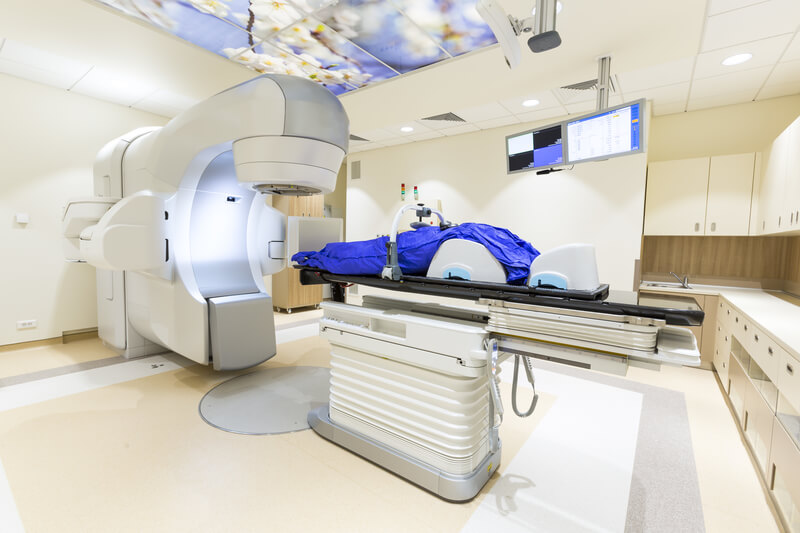
Today is Wednesday, January 14, 2026, and the medical world is buzzing with a renewed sense of hope following the release of a landmark report that confirms a fundamental shift in the fight against cancer. According to the latest comprehensive data from the American Cancer Society (ACS) and international oncology partners, for the first time in history, the five year relative survival rate for all cancers combined has reached a staggering 70 percent. This milestone represents more than just a statistic; it is a testament to decades of scientific investment, the rapid integration of artificial intelligence into clinical workflows, and a revolution in precision medicine that is turning once fatal diagnoses into manageable chronic conditions.
- Rising Survival Rates: A New Era in Modern Oncology
- Breaking Down the Numbers: Success Across Major Cancer Types
- The Role of Precision Medicine and Immunotherapy
- Technological Innovations: AI and Liquid Biopsies Driving Early Detection
- The Global Perspective: Expanding Access to Life Saving Care
- Challenges Remaining: Addressing Disparities in Survival
- Survivor Wellness: Life Beyond the Five Year Mark
- The Impact of Lifestyle: Prevention in the Modern Age
- Looking Ahead: The Goal of Eliminating Cancer Deaths
- Financial and Insurance Considerations for Cancer Survivors
- Future Outlook: The 2030 Oncology Goals
The report, released on Tuesday, January 13, 2026, provides a granular look at how survival outcomes have evolved from the mid 1970s, when only about half of those diagnosed could expect to be alive five years later. As we stand in early 2026, the landscape of oncology has been completely rewritten. The gains are not limited to easily detectable or low grade malignancies. Some of the most significant jumps in survival are appearing in the most aggressive and traditionally lethal forms of the disease, including lung cancer, liver cancer, and multiple myeloma. This progress marks a 34 percent decline in total cancer mortality since the peak in 1991, a trend that has averted an estimated 4.8 million deaths over the last three decades.
Rising Survival Rates: A New Era in Modern Oncology
The achievement of a 70 percent five year survival rate for all cancers combined is being hailed by clinicians as a stunning victory. Rebecca Siegel, the senior scientific director of surveillance research at the American Cancer Society and the lead author of the 2026 report, noted that this progress has effectively transformed the patient experience. What was once considered a terminal sentence is increasingly being viewed through the lens of long term survivorship. The data analyzed covers patients diagnosed between 2015 and 2021, reflecting the immediate impact of modern immunotherapies and earlier, more accurate diagnostic tools.
While the overall numbers are encouraging, the 2026 projections also highlight the scale of the challenge that remains. In the United States alone, approximately 2,114,850 new cancer diagnoses are expected this year. This equates to roughly 5,800 new cases every single day. Despite the falling death rates, the sheer incidence of cancer continues to rise for several common types, including breast, prostate, and pancreatic cancer. This paradox: falling mortality alongside rising incidence: underscores the dual nature of modern oncology. We are getting better at finding cancer and keeping people alive, but we have yet to fully master the art of preventing the disease from occurring in the first place.
Breaking Down the Numbers: Success Across Major Cancer Types
When we look beneath the surface of the 70 percent milestone, the specific successes in high mortality cancers are perhaps the most inspiring part of the new data. For decades, a diagnosis of lung cancer or liver cancer carried a very grim prognosis. Today, those narratives are changing rapidly.
Lung Cancer Survival Gains
Lung cancer remains the leading cause of cancer related death globally, but it is no longer the automatic death sentence it once was. The five year survival rate for lung cancer has nearly doubled since the mid 1990s, rising from 15 percent to 28 percent. For those diagnosed with regional stage disease, where the cancer has spread to nearby tissues but not distant organs, the survival rate has climbed to 37 percent. Even in metastatic or distant stage cases, where survival was historically near zero, the rate has increased to 10 percent. This shift is largely attributed to the decline in smoking and the widespread adoption of low dose CT screening for high risk individuals, which catches tumors while they are still treatable.
Breakthroughs in Liver Cancer and Myeloma
Liver cancer has also seen a significant upward trend in survival, jumping from a 7 percent five year survival rate in the 1990s to 22 percent in the 2026 report. Similarly, multiple myeloma, a cancer of the plasma cells, has seen one of the most dramatic improvements in the entire field of oncology. Survival rates for myeloma have soared from 32 percent to 62 percent. These gains are directly linked to the development of targeted therapies and proteasome inhibitors that allow doctors to attack the cancer with surgical precision while sparing healthy cells.
Melanoma and Prostate Cancer Excellence
At the top of the survival spectrum, localized cancers such as prostate cancer and melanoma of the skin continue to show exceptional outcomes. The five year survival rate for localized prostate cancer is now effectively 100 percent, while thyroid cancer and localized melanoma hover near 99.9 percent and 99.6 percent, respectively. These figures represent the gold standard of what can be achieved when early detection is paired with effective, immediate intervention.
The Role of Precision Medicine and Immunotherapy
If the 1990s were the decade of chemotherapy, then 2026 is firmly the era of precision medicine and immunotherapy. These two pillars of modern treatment are the primary engines driving the 70 percent survival milestone. Unlike traditional chemotherapy, which attacks all rapidly dividing cells in the body, precision medicine focuses on the specific genetic mutations that allow a tumor to grow.
Immunotherapy: The Body’s Natural Defense
Immunotherapy has revolutionized the treatment of advanced cancers by training the patient’s own immune system to recognize and destroy cancer cells. Checkpoint inhibitors, such as those targeting the PD 1 and PD L1 pathways, have become standard of care for many patients with metastatic melanoma and non small cell lung cancer. In many cases, these treatments are resulting in what oncologists call “functional cures,” where patients with stage IV cancer remain in remission for years, living active and full lives.
Targeted Therapy and CAR T Cell Advancements
Targeted therapies have also expanded to include a wider range of molecules beyond the traditional hormone receptors. Treatments now target proteins such as EGFR, PARP, and CDK4/6 with high efficiency. Furthermore, 2025 and early 2026 have seen the continued maturation of CAR T cell therapy. This process involves engineering a patient’s T cells in a lab to better target tumor antigens. While initially used for blood cancers like leukemia and lymphoma, researchers are now testing CAR T combinations for solid tumors with promising early results.
Technological Innovations: AI and Liquid Biopsies Driving Early Detection
One of the most exciting developments mentioned in the January 2026 reports is the role of artificial intelligence (AI) in transforming cancer care. From early detection to drug discovery, AI is moving from a theoretical tool to an essential component of the oncology toolkit.
AI Generated Sensors and At Home Testing
On January 6, 2026, researchers from MIT and Microsoft announced the development of AI generated molecular sensors that could revolutionize early detection. These sensors utilize nanoparticles coated with peptides designed by an AI system called CleaveNet. These nanoparticles can act as “reporters” that detect the activity of proteases: enzymes that are often overactive in the early stages of cancer. The vision for this technology is an at home diagnostic kit, similar to a pregnancy test, that could potentially detect and distinguish between 30 different types of cancer before symptoms even appear.
Yale and Google: The Cell2Sentence Breakthrough
In another breakthrough reported on January 13, 2026, a team from Yale and Google used a massive 27 billion parameter AI model called Cell2Sentence to identify new uses for existing drugs. The model identified that a drug called Silmitasertib could help the immune system locate tumors by increasing “antigen presentation.” This type of complex biological reasoning by an AI model suggests a future where drug development is faster, cheaper, and far more targeted. The goal, as Yale researchers described it, is to create a “virtual human” that can simulate millions of drug interactions in seconds, identifying the most promising treatments without the need for years of traditional trial and error.
Liquid Biopsies and Genomic Screening
The rise of liquid biopsies is another critical factor in improving survival. These tests can detect circulating tumor DNA in a simple blood sample, allowing for the detection of cancer at its most nascent stage. By 2026, liquid biopsies are becoming more common in routine wellness checkups for older adults, providing a safety net that catches recurrences or new cancers months or even years before they would be visible on an MRI or CT scan.
The Global Perspective: Expanding Access to Life Saving Care
While the 70 percent survival milestone is a cause for celebration in the United States and other high income nations, the global oncology community is focused on ensuring these gains are shared equitably. A study published on January 13, 2026, in the journal Annals of Oncology utilized machine learning to identify the specific policy changes that would most effectively boost cancer survival in every country on Earth.
The findings highlight that while wealth is a factor, it is not the only determinant of success. Countries that prioritize universal health coverage and maintain high levels of access to radiotherapy consistently show better outcomes than their peers. The researchers developed an online tool that allows policymakers to see how specific investments: such as increasing the number of oncology nurses or investing in regional diagnostic centers: can directly translate into higher survival rates. This data driven approach to global health is expected to shape international aid and national health budgets throughout 2026 and beyond.
Challenges Remaining: Addressing Disparities in Survival
Despite the historic progress, the 2026 data also shines a light on persistent and troubling disparities. Not every patient is benefiting equally from the oncology revolution. Socioeconomic status, race, and geographic location continue to be major predictors of whether a person will survive their cancer diagnosis.
Racial and Ethnic Gaps
The American Cancer Society report points out that Native Americans are twice as likely as white individuals to die from certain cancers, including kidney, liver, and stomach cancer. These gaps are often rooted in systemic inequalities that create barriers to high quality care, from the initial screening to the availability of the latest clinical trials. Black women also continue to face higher mortality rates for breast cancer despite having similar incidence rates to white women, often due to differences in the stage at diagnosis and access to timely follow up care.
The Rise of Cancer in Younger Adults
Another concerning trend in 2026 is the increasing incidence of cancer among younger adults. Cancers that were once considered diseases of the elderly: such as colorectal cancer: are being diagnosed in people in their 30s and 40s at an alarming rate. Doctors suggest that lifestyle factors, including diet, physical inactivity, and the prevalence of ultra processed foods, may be playing a role. The surge in colorectal cancer among young people has prompted calls for earlier screening guidelines and a renewed focus on public health education.
Survivor Wellness: Life Beyond the Five Year Mark
As more people survive cancer, the focus of the oncology community is shifting toward “survivorship care.” Living five years after a diagnosis is a victory, but it often comes with long term physical, emotional, and financial challenges.
Long Term Side Effects of Treatment
Many survivors face the lingering effects of the very treatments that saved their lives. Chemotherapy and radiation can lead to an increased risk of heart issues, secondary cancers, and chronic fatigue. Dr. Chirag Shah, a leading radiation oncologist, noted that the challenge for 2026 and beyond is “de escalation” of treatment. Scientists are asking if we can give less treatment: reducing the toxic load on the body: while still maintaining the high survival outcomes we have achieved.
The Financial Burden of Survivorship
The cost of cancer care remains a significant hurdle for many families. Even with health insurance, the “financial toxicity” of long term treatment and follow up care can be devastating. As of early 2026, there are more than 18.6 million cancer survivors in the United States, a number projected to exceed 22 million by 2035. Managing the long term healthcare needs of this growing population requires a coordinated strategy that involves primary care physicians, specialists, and insurance providers working together to ensure that survivors can not only live longer but also enjoy a high quality of life.
The Impact of Lifestyle: Prevention in the Modern Age
While medical breakthroughs are essential, the 2026 report emphasizes that lifestyle remains one of the most powerful tools in the fight against cancer. Approximately 40 percent of cancer cases are linked to preventable risk factors.
Obesity and the Role of GLP 1 Medications
Obesity is a major driver of many common cancers, and in 2026, researchers are closely watching the impact of GLP 1 weight loss medications on cancer trends. While these drugs have been transformative for metabolic health, their long term impact on cancer incidence is a subject of intense study. Reducing excess body weight remains one of the most effective ways to lower the risk of breast, colorectal, and pancreatic cancers.
The Evolution of Tobacco and Vaping
The decline in traditional cigarette smoking is the single biggest win for cancer prevention in the last century. However, oncologists are sounding the alarm about the rise of vaping among younger generations. While e cigarettes are often marketed as a safer alternative, many contain carcinogenic ingredients, and the long term impact on lung health and cancer risk is still being determined. The 2026 data serves as a reminder that we must remain vigilant against new forms of nicotine addiction that could potentially stall or reverse the progress made in lung cancer survival.
Looking Ahead: The Goal of Eliminating Cancer Deaths
As we move further into 2026, the mission of the oncology community is evolving. We are no longer just looking to increase survival rates; the ultimate goal is to eliminate cancer as a major cause of death. The “Cancer Moonshot” initiative and other global research projects are focusing on the most difficult to treat cancers, such as glioblastoma and advanced pancreatic cancer.
The progress documented in the January 2026 report is a reason for immense pride, but it is also a call to action. Sustained investment in medical research is critical. As Shane Jacobson, the CEO of the American Cancer Society, noted, any threat to research funding or health insurance access could stall the very breakthroughs that have gotten us to this historic 70 percent survival milestone.
The story of cancer in 2026 is one of resilience, innovation, and an unwavering commitment to the human spirit. With every person who celebrates their five year anniversary after a diagnosis, we move closer to a world where cancer is a word that no longer inspires fear, but instead a reminder of what we can achieve through science and solidarity.
Financial and Insurance Considerations for Cancer Survivors
In 2026, the discussion around survival is inseparable from the discussion around the cost of care. High survival rates are often tied to the use of advanced biologics and targeted therapies, which can be prohibitively expensive without robust insurance coverage.
Targeted Therapy Costs and Access
Some of the most effective targeted therapies for breast and lung cancer can cost thousands of dollars per month. Patient advocacy groups are increasingly focusing on “drug pricing reform” as a key factor in improving global survival rates. If the most effective treatments are only available to the wealthy, the 70 percent survival rate will remain an average that masks deep inequalities.
Medical Insurance for Cancer Survivors
As the number of survivors grows, insurance companies are being asked to provide more comprehensive “survivorship benefits.” These include coverage for regular screenings, mental health support for post traumatic stress related to the diagnosis, and physical therapy to address the side effects of treatment. The 2026 policy landscape is defined by the tension between the high cost of innovation and the societal need for equitable access to life saving care.
Future Outlook: The 2030 Oncology Goals
Looking past the immediate success of 2026, the global oncology community has set ambitious goals for the year 2030. These include a 50 percent reduction in cancer deaths from the 2015 baseline and a universal 5 year survival rate of at least 75 percent for all cancers combined.
The achievement of the 70 percent milestone today is a strong indicator that these goals are within reach. However, it will require a continued focus on early detection technology: such as the AI sensors developed by MIT: and a global effort to eliminate the disparities that still leave many behind. The journey from the 49 percent survival rate of the 1970s to the 70 percent rate of 2026 is one of the greatest triumphs in human history, and it serves as the foundation for the even greater breakthroughs to come.