

Homes That Make You Healthier: Bringing Nature Inside Your Living Space
In a world increasingly dominated by concrete jungles and digital screens, the yearning for connection with nature has never been stronger. We spend an astounding 90% of our lives indoors, often detached from the very elements that have shaped our well-being for millennia. But what if our homes, those sanctuaries we retreat to, could actively contribute to our health, vitality, and sense of peace? The burgeoning movement of biophilic design, a concept that integrates natural elements into modern architecture and interior design, offers a compelling answer. It’s not merely about aesthetics; it’s about creating living spaces that mimic the restorative power of the natural world, leading to profound improvements in our physical and mental health. This isn’t a fleeting trend; it’s a fundamental shift in how we envision and inhabit our personal environments, a return to our innate connection with nature.
The Science of Biophilia: Why Nature Nurtures Us
The term “biophilia,” coined by Harvard biologist E.O. Wilson, describes our innate human tendency to connect with nature and other living systems. This isn’t just a philosophical idea; it’s deeply rooted in our evolutionary history. For most of human existence, we lived in direct communion with the natural world, and our brains and bodies evolved to thrive in such environments. When we are deprived of nature, our well-being suffers. Studies have consistently shown that exposure to natural environments can reduce stress, improve cognitive function, enhance mood, accelerate healing, and even lower blood pressure.
Imagine waking up to the gentle rustling of leaves outside your window, rather than the blare of traffic. Picture a living room where dappled sunlight filters through lush indoor plants, creating a serene ambiance. These aren’t just pleasant scenes; they are experiences that trigger positive physiological and psychological responses. The sound of water, the scent of fresh earth, the sight of vibrant greenery – these natural stimuli have a calming effect on our nervous system, helping to regulate our cortisol levels (the stress hormone) and promote a sense of tranquility.
For example, a study published in the Journal of Environmental Psychology found that even viewing nature scenes through a window can improve mood and reduce stress levels. Another seminal study by Roger Ulrich demonstrated that hospital patients with views of nature recovered faster and required less pain medication than those who looked out onto a brick wall. The evidence is clear: our connection to nature is not a luxury; it’s a biological imperative.
Redefining Your Home as a Health Hub: Practical Biophilic Strategies
Transforming your home into a healthier, more nature-infused sanctuary doesn’t require a complete overhaul. It’s about making conscious choices that invite the outside in. Here are some actionable strategies you can implement to start your journey towards a biophilic home:
1. Embrace the Power of Indoor Plants: Your Green Allies
Indoor plants are perhaps the most accessible and effective way to infuse your home with nature. Beyond their aesthetic appeal, plants are incredible air purifiers, absorbing toxins like formaldehyde and benzene, and releasing oxygen. They also increase humidity, which can be beneficial for respiratory health, especially in dry climates or during winter months.
- Air Purifying Champions: Consider plants like snake plants (Sansevieria trifasciata), peace lilies (Spathiphyllum), spider plants (Chlorophytum comosum), and Boston ferns (Nephrolepis exaltata). These plants are not only beautiful but also highly effective at removing common indoor air pollutants.
- Stress Reducers: Certain plants, such as lavender, jasmine, and even some types of mint, have aromatic properties that can promote relaxation and reduce anxiety. Placing them in your bedroom or meditation space can enhance their calming effects.
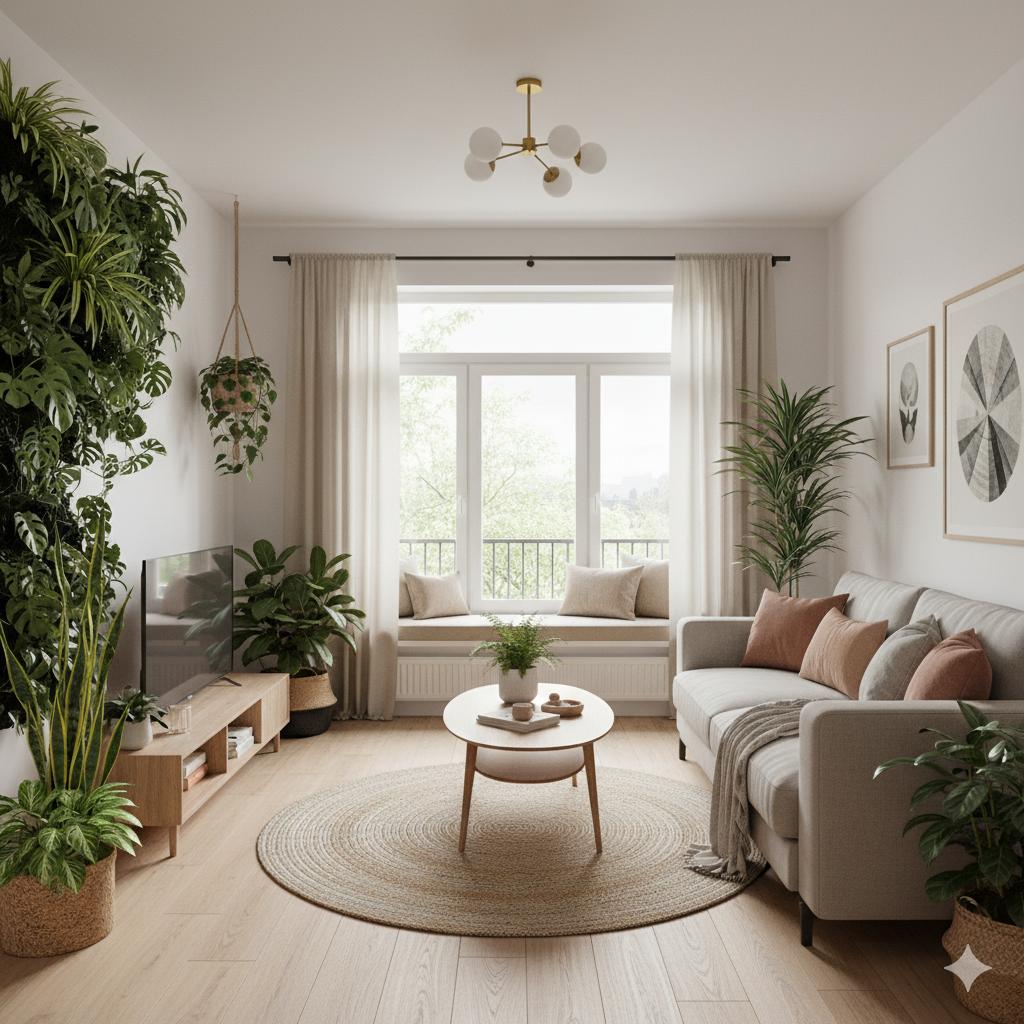
- Vertical Gardens and Living Walls: For those with limited space or a desire for a dramatic natural statement, vertical gardens or living walls are an excellent solution. These can transform an entire wall into a vibrant tapestry of greenery, creating a stunning visual impact and maximizing the air-purifying benefits. There are numerous DIY kits available, or you can consult with a specialist for a custom design.
- Plant Placement and Care: Think about light requirements and humidity levels when choosing and placing your plants. Grouping plants together can create a mini-ecosystem, increasing local humidity and benefiting all the plants. Regular watering, appropriate potting mix, and occasional feeding will ensure your green companions thrive.
2. Maximize Natural Light: The Illuminating Source of Well-being
Natural light is a powerful driver of our circadian rhythm, the internal clock that regulates our sleep-wake cycle, hormone production, and overall energy levels. Maximizing natural light in your home can significantly improve your mood, productivity, and sleep quality.
- Window Wisdom: Keep windows clean and unobstructed. Avoid heavy drapes or blinds that block sunlight during the day. Opt for sheer curtains or blinds that allow diffused light to enter while maintaining privacy.
- Mirror Magic: Strategically placed mirrors can bounce natural light deeper into your rooms, making them feel brighter and more expansive. Position a large mirror opposite a window to amplify the light.
- Light-Colored Palettes: Light-colored walls, furniture, and flooring reflect natural light, enhancing the overall brightness and airiness of a space. Darker colors tend to absorb light, making rooms feel smaller and dimmer.
- Skylights and Sun Tunnels: For rooms lacking sufficient natural light, consider installing skylights or sun tunnels. Skylights bring direct overhead light, while sun tunnels (also known as tubular daylighting devices) use reflective pipes to channel sunlight from the roof into interior spaces. These can dramatically transform a dark room into a bright and inviting area.
- Optimizing Layout: When designing or redecorating, think about how furniture placement might impede natural light. Arrange seating areas near windows to encourage connection with the outdoors.
3. Incorporate Natural Materials: Textures and Tones of Tranquility
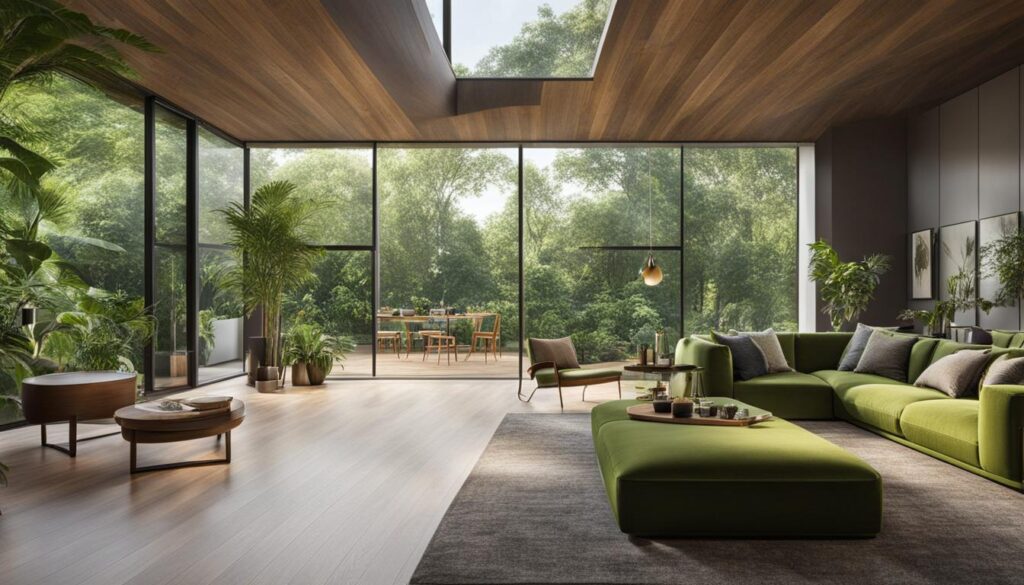
The materials we choose for our homes have a profound impact on their overall feel. Opting for natural materials like wood, stone, cork, and wool not only brings the beauty of nature indoors but also offers tactile and sensory experiences that synthetic materials cannot replicate.
- Wood’s Warmth: From flooring to furniture, wood brings warmth, character, and a sense of grounding to any space. Consider reclaimed wood for an eco-friendly and unique touch. The varying grains and textures of wood provide a visual richness that is inherently calming.
- Stone’s Serenity: Stone, whether in the form of countertops, accent walls, or decorative elements, introduces a sense of permanence and connection to the earth. Its cool touch and unique patterns add a sophisticated natural element.
- Cork’s Comfort: Cork flooring is not only sustainable but also soft underfoot, sound-absorbent, and naturally antimicrobial. It’s an excellent choice for bedrooms and play areas.
- Natural Fibers: Opt for textiles made from natural fibers such as cotton, linen, wool, and jute. These materials breathe better, feel more comfortable against the skin, and contribute to a healthier indoor air quality compared to synthetic alternatives.
- The Power of Imperfection: Embrace the natural imperfections of these materials. The knots in wood, the variations in stone – these elements tell a story and add to the organic appeal of your home.
- Sensory Experience: Beyond aesthetics, natural materials engage our sense of touch. The smooth coolness of stone, the rough texture of linen, the warmth of wood – these tactile experiences contribute to a richer, more immersive living environment.
4. The Soothing Sounds of Nature: Auditory Aesthetics
Silence can be golden, but the gentle sounds of nature can be profoundly restorative. Integrating auditory elements of nature can help mask unwanted urban noise and create a more tranquil atmosphere.
- Indoor Water Features: A small tabletop fountain or a larger indoor waterfall can introduce the calming sound of trickling water. The white noise generated by water can also help improve focus and relaxation.
- Chimes and Wind Bells: Placed near a window or in a gentle breeze, wind chimes can create subtle, melodious sounds that evoke a sense of peace and connection to the elements.
- Nature Soundscapes: When working or relaxing, consider playing recordings of nature sounds – rain, ocean waves, birdsong, or a babbling brook. Numerous apps and streaming services offer high-quality nature soundscapes designed for relaxation and focus.
- Open Windows and Fresh Air: On pleasant days, simply opening your windows can invite the natural symphony of birdsong, rustling leaves, and gentle breezes into your home, simultaneously refreshing the air.
5. Evoke Nature Through Color and Pattern: Visual Connections
The colors and patterns we choose for our interiors can profoundly influence our mood and perception of space. Drawing inspiration from nature’s palette can create a harmonious and calming environment.
- Nature’s Palette: Incorporate greens, blues, earthy browns, and sandy neutrals. These colors are inherently calming and remind us of forests, oceans, and natural landscapes.
- Biomorphic Forms and Patterns: Look for patterns that mimic natural forms – the branching of trees, the veins of a leaf, the ripple of water. These “biomorphic” patterns can create a subconscious connection to nature.
- Art and Photography: Adorn your walls with artwork or photographs depicting natural scenes – landscapes, seascapes, forests, or close-ups of flora and fauna. These visual cues can transport you to peaceful outdoor environments.
- The Power of Contrast: While a dominant natural palette is calming, don’t shy away from incorporating pops of brighter colors found in nature, like the vibrant red of a poppy or the striking yellow of a sunflower, to add visual interest and energy.
- Abstract Representations: Nature doesn’t always have to be depicted literally. Abstract art that uses organic shapes, earthy textures, and natural color combinations can also evoke a strong sense of connection to the natural world.
6. Embrace the Outdoors In: Connecting Indoor and Outdoor Spaces
Blurring the lines between your indoor and outdoor living areas is a cornerstone of biophilic design, fostering a seamless transition and extending your living space.
- Large Windows and Sliding Doors: If possible, invest in large windows, French doors, or sliding glass doors that offer expansive views of your garden or outdoor space. These create a visual bridge between inside and out.
- Outdoor Living Rooms: Design your patio, balcony, or deck as an extension of your indoor living space. Comfortable furniture, outdoor rugs, lighting, and plants can create an inviting “outdoor room.”
- Courtyards and Atriums: For new constructions or major renovations, consider incorporating a central courtyard or atrium. These enclosed outdoor spaces bring light and fresh air into the heart of the home and create a private oasis.
- Kitchen Gardens: For those with access to a balcony or backyard, a small kitchen garden or herb garden can provide fresh produce and a therapeutic connection to growing things. Even a few pots of herbs on a windowsill can suffice.
- Seamless Transitions: Use similar flooring materials or color schemes indoors and out to create a sense of continuity and visual flow, making the transition feel natural and effortless.
Here’s an interesting and trending video that perfectly aligns with our topic of bringing nature inside:
7. The Daily Ritual of Nature Connection: Small Habits, Big Impact
Beyond the physical elements, integrating nature into your daily routine is crucial for harnessing its full health benefits.
- Morning Sun Exposure: As soon as you wake up, open your curtains and expose yourself to natural light. This signals to your body that it’s daytime, helping to regulate your circadian rhythm and improve alertness.
- Mindful Moments: Take a few minutes each day to simply observe the nature within your home. Look at your plants, listen to the sounds outside, feel the texture of natural materials. Engage your senses mindfully.
- Fresh Air Breaks: Even on busy days, step outside for a few minutes to breathe fresh air. If you have a garden or balcony, spend some time there. If not, simply open a window and take a few deep breaths.
- Gardening Therapy: If you have indoor or outdoor plants, take an active role in their care. The act of watering, pruning, and nurturing plants can be incredibly therapeutic and meditative.
- Nature-Inspired Hobbies: Engage in hobbies that connect you with nature, such as painting natural landscapes, collecting interesting leaves or stones (ethically, of course), or even practicing nature photography.
The Holistic Benefits: A Healthier You, A Healthier Home
The ripple effects of creating a biophilic home extend far beyond aesthetics. The benefits are holistic, touching every aspect of your well-being.
- Improved Mental Health: Reduced stress, decreased anxiety, enhanced mood, and improved cognitive function are well-documented benefits of nature exposure. A biophilic home provides a constant, gentle dose of these positive effects.
- Enhanced Physical Health: Better sleep, lower blood pressure, improved air quality, and even faster healing times have been linked to living in environments rich in natural elements.
- Increased Productivity and Creativity: Studies have shown that workers in offices with natural light and plants are more productive and creative. The same principles apply to your home office or creative space.
- Stronger Connection to Place: A home that integrates nature fosters a deeper sense of belonging and connection to your immediate environment, making it truly a sanctuary.
- Sustainable Living: Many biophilic design principles align with sustainable living practices, encouraging the use of natural, renewable materials and energy-efficient strategies like maximizing natural light.
- Community and Social Well-being: Shared outdoor spaces, community gardens, or even simply a beautiful front yard can foster a sense of community and encourage social interaction, further enhancing overall well-being.
- Resilience and Adaptability: Homes that are designed with nature in mind are often more resilient to environmental changes and promote a greater sense of calm and adaptability in their inhabitants.
Trending Keywords and Innovations in Biophilic Design
The field of biophilic design is constantly evolving, with new research and innovations emerging regularly. Keeping an eye on these trends can help you further enhance your healthy living space.
- Smart Biophilia: Integration of smart home technology with biophilic elements. Think automated plant watering systems, smart lighting that mimics natural daylight cycles, and air quality monitors that connect to air-purifying systems.
- Myco-architecture: Exploring the use of mycelium (the root structure of fungi) as a sustainable and biodegradable building material. While still in early stages, this has the potential to create truly “living” structures.
- Forest Bathing (Shinrin-Yoku) at Home: Designing specific areas within the home or garden for mindful nature immersion, inspired by the Japanese practice of “forest bathing.” This might involve a quiet corner with a comfortable seat, lush plants, and calming nature sounds.
- Sensory Gardens: Creating indoor or outdoor spaces that engage all five senses with a variety of textures, aromatic plants, water features, and visually stimulating natural elements.
- Regenerative Design: Moving beyond sustainability to create homes that actively restore and regenerate natural systems. This could involve rainwater harvesting, composting, and creating habitats for local wildlife.
- Biophilic City Planning: A broader movement to integrate biophilic principles into urban planning, creating greener, healthier cities with more parks, green roofs, and access to natural environments for all residents. This macro-level approach underscores the fundamental importance of nature in all aspects of our lives.
Live Daily Information: A Snapshot of Biophilic Living
- Today’s Air Quality Index (AQI): Check your local AQI daily. If it’s high, ensure your indoor plants are thriving and consider running an air purifier to maintain optimal indoor air quality.
- Sunlight Hours: Note the amount of natural sunlight your home receives today. Are there areas that could benefit from more light? Could you open blinds or curtains in certain rooms for longer?
- Plant Wellness Check: Take a moment to inspect your indoor plants. Do any need watering? Are there new leaves or blooms? This daily connection strengthens your bond with your green companions.
- Weather and Ventilation: Depending on today’s weather, plan for natural ventilation. If it’s a pleasant day, open windows for cross-ventilation. If it’s too hot or cold, ensure your HVAC system is functioning efficiently to maintain comfort without compromising air quality.
- Mindful Moment: Before bed tonight, take a few deep breaths while looking at a plant or a piece of natural art in your home. Let the calm wash over you.
Conclusion: Your Home, Your Health Sanctuary
The journey to a healthier home, deeply intertwined with nature, is a continuous and rewarding one. It’s about more than just adding a few plants; it’s about shifting your mindset to view your living space as an active participant in your well-being. By thoughtfully integrating natural elements, maximizing light, embracing natural materials, and cultivating a daily connection with nature, you can transform your home into a powerful sanctuary that nurtures your body, calms your mind, and uplifts your spirit.
Remember, every small step makes a difference. Start with a single plant, open a window, or simply take a moment to appreciate the natural beauty around you. Your home is a canvas, and nature is your finest muse. Embrace this profound connection, and watch as your living space becomes a vibrant testament to health, peace, and natural beauty.