

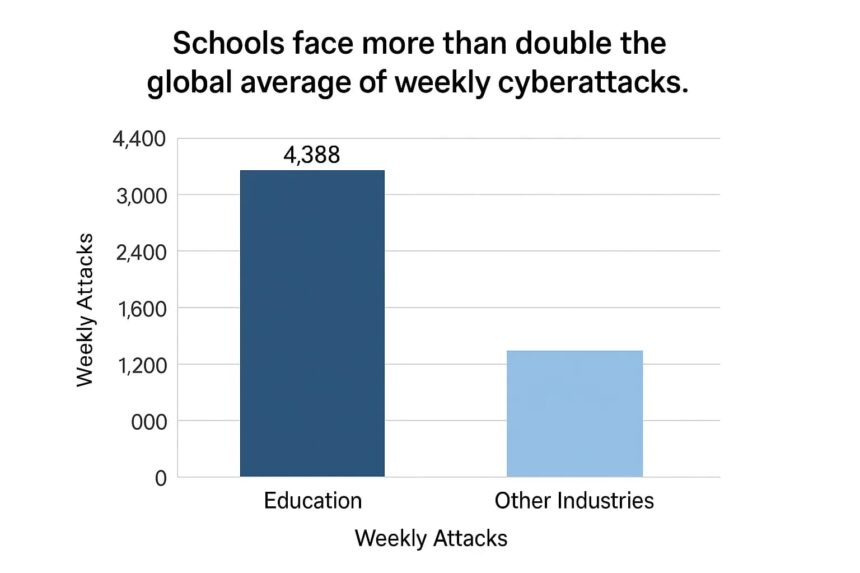
Have you ever received a sudden message that school was canceled—not because of snow, but because someone locked every computer in the district? For thousands of families across the country, that scenario is not theoretical. It is a Tuesday morning reality. Digital intrusions have moved from rare news headlines to regular disruptions that steal learning time, expose private student records, and strain budgets that were already stretched thin.
- What “Being Hit” Actually Looks Like for Families
- Why Cybercriminals Target Education
- The Hidden Costs That Never Make the Headlines
- How Districts Are Building Real Defenses
- Multi-Factor Authentication and Basic Hygiene
- Offline Backups and Response Planning
- Training That Respects Educators’ Time
- What You Can Do From Where You Sit
- The Bigger Picture: Security as Basic Infrastructure
- Moving Forward Together
A Third of Schools have faced some form of serious digital breach or ransomware attack in recent years, and that number continues to climb. You might assume these incidents only affect big-city districts with aging technology, but the truth is far more scattered. Small rural schools, suburban systems, and private academies have all been hit. In this article, we will break down what these attacks actually look like, why education has become such an appealing target, and what practical steps you can take—whether you are a parent, teacher, or administrator—to protect students and keep classrooms running smoothly.
What “Being Hit” Actually Looks Like for Families
When people hear about school cyberattacks, they often picture a single stolen laptop or a strange pop-up message on one computer. The reality is usually much larger and more disruptive.
Most modern attacks involve ransomware. Here is how it works in simple terms: hackers find a weak entry point—often an old password or a misleading email—then they spread malicious software through the school’s network. Once inside, they encrypt files, which means they lock up every document, gradebook, attendance record, and lesson plan so that nobody can open them without a special digital key. Then they demand payment, usually in cryptocurrency, to unlock everything. Even if a district refuses to pay, the recovery process can take weeks.
You feel the impact immediately. Teachers arrive to find they cannot access student information or print materials. Administrators cancel classes for days because the phone system, security cameras, and building access controls may all run on the same network. Parents scramble for emergency childcare and wonder whether their child’s personal information—name, address, birth date, sometimes even health records—has been stolen.
Data Breaches: The Slow-Burn Threat
Not every attack locks files. Some are quieter data breaches, where hackers quietly copy student and staff information and sell it or hold it for future scams. Unlike a ransomware event that makes headlines immediately, a breach might not be discovered for months. By then, families may face identity theft attempts, suspicious credit activity for teenagers, or targeted phishing emails that use real details from school records to sound convincing.
That is why these incidents matter long after the news cycle moves on. A classroom closure is visible. A stolen database is invisible—but just as damaging.
Why Cybercriminals Target Education
If you run a bank, you expect hackers to try. Schools? Most people think of them as safe, community-focused places. That assumption is exactly why attackers see opportunity.
Valuable Data with Weaker Defenses
Schools collect an enormous amount of personal information. They have student Social Security numbers for financial aid, health information for nurses’ offices, home addresses, family emergency contacts, and academic records spanning years. For identity thieves, that is a goldmine. Yet many districts operate with IT budgets that cover basic repairs and little else. A large corporation might employ dozens of cybersecurity specialists. A school district serving ten thousand students might rely on one or two technology staff members who are also responsible for fixing printers and updating software.
That imbalance makes education an attractive target. The data is rich. The defenses are often thin.
High Pressure to Reopen Quickly
There is another factor that makes schools vulnerable: urgency. When a hospital is attacked, lives are immediately at risk, and public pressure forces rapid response and investment. When a school is attacked, leaders face intense pressure from parents, staff, and media to reopen as quickly as possible. That urgency can lead districts to pay ransoms—not because they want to, but because they feel they have no other path to resume learning. Knowing that A Third of Schools have already dealt with this should motivate every district to build recovery plans before they are needed, not after.
The Human Entry Point
Technology failures get the blame, but humans are usually the doorway. A well-meaning staff member clicks a link in an email that looks like it came from the principal. A substitute teacher uses a simple password that is easy to guess. A student shares login credentials with a friend who accidentally exposes them online. You do not need to be a technology expert to understand this: awareness is defense. Every person in a school building is part of the security system, whether they realize it or not.
Here is a clear comparison to keep in mind. A bank trains every employee on fraud detection multiple times a year. Most teachers receive security training once, if at all, during an already crowded professional development day. That gap is not a criticism of educators. It is a structural problem that districts must address with time and funding.
The Hidden Costs That Never Make the Headlines
When a cyberattack hits your local news, the story usually focuses on the closure. The hidden costs continue long after students return to their desks.
Lost Instructional Time
Every day of closure is a day of lost learning. In districts that have faced major ransomware, recovery has stretched from a few days into several weeks. Teachers must rebuild lesson plans from scratch if backups are incomplete. Students miss standardized testing windows. After-school programs and counseling services are interrupted. For children who already struggle with attendance or learning differences, those disruptions create setbacks that take months to overcome.
Financial Strain on Tight Budgets
The direct costs are staggering for public institutions. Districts must hire emergency cybersecurity consultants, replace infected hardware, upgrade software licenses, and sometimes pay legal fees to notify families about data exposure. One major urban district reported spending over a million dollars on recovery—money that could have funded new books, tutoring programs, or teacher salaries.
Even when districts carry cyber insurance, policies often have high deductibles and strict conditions. Insurance helps, but it does not erase the burden.
Emotional Toll on Staff and Families
There is also a quieter cost: stress. Teachers who already feel overworked must navigate chaos without access to basic tools. Parents worry about whether their child’s information is safe. Administrators face public scrutiny during a crisis they did not cause. That emotional weight affects job satisfaction and retention in a profession already facing shortages.
When A Third of Schools report dealing with these disruptions, the message is clear: this is not an isolated problem. It is an infrastructure crisis that demands serious attention.
How Districts Are Building Real Defenses
The good news is that schools are not helpless. Across the country, districts that have been hit—or that have watched neighbors suffer—are investing in practical protections that actually work.
Multi-Factor Authentication and Basic Hygiene
The single most effective step is surprisingly simple: multi-factor authentication, often called MFA. In plain language, it means that logging into a system requires more than just a password. You also need a temporary code sent to your phone or a special security key. Even if a hacker steals your password, they still cannot enter without that second step.
Along with MFA, districts are enforcing stronger password rules, removing old accounts for former employees, and updating software regularly to close known security holes. These are not glamorous investments, but they stop a huge percentage of common attacks.
Offline Backups and Response Planning
The best defense against ransomware is not paying the ransom. It is having clean backups stored separately from the main network. When a district keeps regular, tested backups offline—meaning they are not connected to the internet—hackers cannot lock them up. Recovery becomes a matter of rebuilding the system with saved data rather than negotiating with criminals.
Smart districts are also writing incident response plans before they are needed. That means knowing exactly who calls the cybersecurity team, how parents will be notified, which systems are critical for reopening, and how to communicate clearly without causing panic.
Training That Respects Educators’ Time
Effective security training for staff is not a lengthy lecture about technical details. It is short, realistic practice. Some districts now send simulated phishing emails to staff members—not to punish anyone who clicks, but to teach recognition in a safe environment. When teachers learn to spot suspicious links without fear of blame, the entire organization becomes stronger.
Knowing that A Third of Schools have been affected should motivate every board and administrator to prioritize these steps not as optional extras, but as basic operational needs—just like maintaining safe buildings or providing textbooks.
What You Can Do From Where You Sit
You do not need to be an IT director to make a difference. Whether you are raising a child, teaching a class, or serving on a school board, your actions matter.
If You Are a Parent
Start by asking direct, respectful questions at your next school meeting or through a quick email to administration. You do not need technical language. Try this: “What is our plan if our school’s computers are locked by hackers? Do we have offline backups? How will families be notified if student data is exposed?”
You should also take basic steps at home. Use strong, unique passwords for every school portal you access. Enable multi-factor authentication on those accounts if it is offered. Talk to your child about not sharing login information with friends. And if your district does experience a breach, watch your family’s credit reports and be cautious about unexpected emails that reference school details.
If You Work in Education
Your awareness is the first line of defense. Complete every security training offered, even if it feels like one more task in a busy week. Before clicking any link in an email, pause and check the sender’s address carefully. If something feels off, report it immediately to your technology staff. Never feel embarrassed about asking whether an email is legitimate—asking protects everyone.
Also, support efforts to include cybersecurity in district budgets. You understand better than anyone how tight resources are, but you also know the cost of losing a week of instruction to recovery.
Here is a simple checklist you can use today:
- Enable multi-factor authentication on every work-related account.
- Create strong, unique passwords and avoid reusing personal passwords for school systems.
- Back up your personal teaching files to an external drive or secure cloud account you control.
- Report suspicious emails immediately instead of deleting them quietly.
- Ask your administration about backup and response plans if you have not heard about them recently.
These actions take minutes. Their impact lasts far longer.
The Bigger Picture: Security as Basic Infrastructure
We would never accept a school building without working locks on the doors or smoke detectors in the hallways. Digital security deserves the same standard.
As Cyberattacks grow more frequent and more sophisticated, treating technology protection as an “extra” is no longer realistic. It is basic infrastructure—just like electricity, clean water, and safe transportation. Districts that invest now avoid the far greater cost of crisis recovery later. Communities that support these investments protect not just data, but the stability of learning itself.
Because A Third of Schools have already been affected, waiting for your district to be next is not a strategy. It is a gamble with children’s education at stake.
Moving Forward Together
So where does all this leave you? The threat is real. The disruptions are growing. But the response does not have to be overwhelming.
If you are a parent, start the conversation with your school. If you are an educator, complete that training module you have been putting off. If you are a decision-maker, treat cybersecurity funding with the same urgency you bring to curriculum or facilities. Every layer of protection you add makes the entire community more resilient.
Remember, you do not need to become a technology expert overnight. You just need to stay aware, ask smart questions, and take the practical steps within your reach. Schools are places of learning, growth, and community. Protecting them from digital harm is not a distraction from that mission—it is part of it. Start with one action this week. Make it a habit. The security of your students depends on more than good software; it depends on people like you paying attention.
A Third of Schools have faced cyberattacks. Learn the real costs, why districts are targeted, and practical steps parents and educators can take to stay protected.