

The Great Surge: US Home Prices Skyrocket Nearly 55% in Five Years—An In-Depth NAHB Analysis
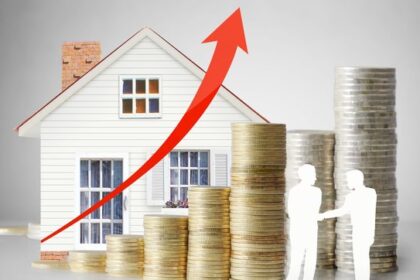
The American Dream of homeownership is undergoing a profound and rapid transformation. The latest data from industry experts, including the National Association of Home Builders (NAHB), reveals a staggering reality: US home prices have surged by nearly 55% over the past five years. This unprecedented appreciation, particularly accelerated by the economic forces unleashed since early 2020, has fundamentally reshaped the housing landscape, creating immense wealth for existing homeowners while simultaneously erecting towering barriers for first-time buyers and those with moderate incomes.
This monumental price growth is not merely a transient market fluctuation; it is the culmination of deep-seated supply deficiencies, extraordinary monetary policy actions, and profound shifts in consumer demand. A rise of this magnitude demands a comprehensive, multi-faceted analysis to understand its causes, its consequences, and the challenging path forward.
Part I: Deconstructing the 55% Surge – The Anatomy of Price Appreciation
The reported 54.9% increase in home prices between the first quarter of 2020 and the first quarter of 2025 (according to the FHFA’s all-transactions HPI, as cited in NAHB reports) marks one of the most aggressive periods of appreciation in modern U.S. history. To fully grasp this phenomenon, we must dissect the confluence of factors that created a perfect storm for housing inflation.
1. The Critical Supply Shortage: A Decades-Long Deficit
At the heart of the price explosion lies a severe and chronic shortage of housing inventory. This is a problem that predates the pandemic but was dramatically amplified by it.
- Underbuilding since the Great Recession: Following the 2008 financial crisis, home construction lagged significantly for over a decade. Builders faced tighter lending standards, skilled labor shortages, and rising regulatory costs, resulting in years of underproduction relative to population and household formation.
- The Inventory Drought (Existing Homes): The surge in prices was exacerbated by an extraordinary lack of existing homes for sale. Homeowners who locked in historically low mortgage rates (around 3% or lower) during the 2020-2021 period have been reluctant to sell and move, a phenomenon known as the “rate lock-in effect.” This has kept a substantial portion of the housing stock off the market, forcing intense competition for the few available listings. NAHB analyses consistently highlight that existing housing inventory is one of the most impactful factors on current home prices.
- Restrictive Zoning and Regulation: Local regulations, often in the form of exclusionary zoning (like single-family-only mandates), continue to limit the density of new development, especially in desirable, job-rich areas. This artificial constraint on supply, often driven by “Not In My Backyard” (NIMBY) sentiments, prevents developers from building the necessary volume and variety of housing types (e.g., townhouses, multi-family units) needed to meet demand.
2. Unprecedented Demand Drivers: The Pandemic Effect
The COVID-19 pandemic and its associated economic policies fundamentally altered housing demand.
- The Remote Work Migration: The shift to widespread remote and hybrid work severed the traditional link between an individual’s job location and their residence. This spurred a massive migration wave, with buyers leaving expensive, high-density metropolitan centers for more space and relative affordability in suburban and exurban markets, causing prices to rapidly escalate in previously overlooked areas.
- Millennial Household Formation: The largest generation in U.S. history, Millennials, has reached peak home-buying age. This massive demographic cohort entered the market in force, putting structural pressure on entry-level and move-up housing stock, a pressure that was destined to drive prices up even without the pandemic.
- Investor Activity: Institutional and individual investors, recognizing housing as a valuable asset class and an effective hedge against inflation, aggressively purchased properties, particularly single-family homes, often outbidding traditional owner-occupant buyers. This speculative activity further reduced the available inventory for primary homebuyers.
3. Macroeconomic and Monetary Policy Catalysts
Federal policy played a critical, if unintended, role in supercharging the housing market.
- Historically Low Interest Rates: In response to the pandemic-induced economic uncertainty, the Federal Reserve cut the federal funds rate to near zero. Simultaneously, the Fed’s quantitative easing (QE) program, which included the large-scale purchase of Mortgage-Backed Securities (MBS), injected massive liquidity into the mortgage market. These actions drove the 30-year fixed mortgage rate to historic lows, making housing artificially affordable from a monthly payment perspective and dramatically increasing purchasing power.
- Inflation and Wealth Effect: Housing became a primary component of the post-COVID inflationary episode. The wealth effect—where rising home equity makes existing homeowners feel richer and more willing to spend or borrow—further increased aggregate demand. As housing became seen as a strong inflationary hedge, demand intensified.
4. The Rising Cost of Construction
Even as demand surged, the ability of builders to increase supply was hampered by soaring costs.
- Material and Labor Inflation: Supply chain disruptions during the pandemic, coupled with intense global demand, sent the cost of key building materials (lumber, steel, concrete) to record highs. Simultaneously, a persistent shortage of skilled construction labor drove up wages.
- Increased Regulatory Burden: NAHB data consistently highlights that regulation and fees add a substantial percentage to the final cost of a new home, a barrier that escalates in an inflationary environment. In 2024, the cost of construction made up a record-high share of a new home’s price.
Part II: The Crushing Consequences for Affordability
The 55% increase in home prices has translated directly into a devastating affordability crisis across the United States, effectively shutting millions of households out of the housing market.
1. The “Priced-Out” Generation
NAHB’s “Priced-Out” analysis provides a stark measure of the damage. For every seemingly small increase in home price or mortgage rate, hundreds of thousands of households lose the ability to qualify for a mortgage.
- The Income-to-Price Gap: Over the last two decades, but acutely so in the past five years, house prices have far outpaced median household income growth. As of recent NAHB estimates, a vast majority of U.S. households—nearly 77% in some analyses—cannot afford to buy the median-priced new home, particularly once elevated interest rates are factored into the monthly payment.
- The Power of the Interest Rate: The rapid increase in mortgage rates from historic lows (3% to 7% or higher) in an attempt to combat inflation has been a dual-edged sword. While intended to cool price growth, the rate hike has not significantly reduced prices due to downward price rigidity and the lack of inventory. Instead, it has exponentially increased the monthly cost of ownership, making a home purchase unattainable for many, even those with relatively strong incomes. NAHB estimates suggest that a mere 25-basis point increase in the mortgage rate can price over a million households out of the market for the median-priced new home.
2. Impact on Economic Mobility and Inequality
The housing crisis is a profound driver of economic and social inequality.
- Widening the Wealth Gap: For existing homeowners, especially those who bought prior to 2020, the 55% surge has created an enormous, often untaxed, wealth gain. This massive accumulation of home equity widens the gap between asset-rich homeowners and non-homeowners, particularly first-time buyers and younger generations. Housing is the primary source of wealth for most American families, and rising costs severely limit wealth-building opportunities for those on the outside.
- Disproportionate Burden on Low-Income and Minority Households: The housing cost burden is not evenly distributed. Historically marginalized communities, particularly Black and low-income families, experience severe housing-cost burdens at significantly higher rates. The inability to afford homeownership perpetuates cycles of inequality and impedes the pursuit of economic opportunity for these groups.
- Strain on Household Budgets: For those who cannot buy, the competitive rental market has also seen rents soar, driven by high home prices that push demand into the rental sector. When a large percentage of household income is spent on housing—whether rent or mortgage—there is less disposable income for essential needs like food, healthcare, education, and saving for retirement, a core tenet of long-term financial security.
Part III: The Path Forward – Policy Solutions for Affordability
The challenge of reversing a 55% price surge is immense, requiring sustained and coordinated action from all levels of government and the private sector. The National Association of Home Builders and housing experts advocate for a comprehensive strategy focused on boosting supply and addressing regulatory barriers.
1. Unleashing the Supply of New Homes
The most critical and sustainable long-term solution is to dramatically increase the housing supply, especially in the entry-level segment where demand from Millennials is highest.
- Targeted Production Incentives: Governments must create incentives for builders to construct smaller, more affordable starter homes. This includes tax credits, grants, and expedited permitting processes for developments that meet specific affordability criteria.
- Addressing the Labor and Material Crisis: Investing in vocational and trade schools to train a new generation of skilled construction workers is essential to alleviating labor shortages and containing wage inflation in the sector. Furthermore, policies to improve supply chain resilience will help stabilize material costs.
2. Reforming Restrictive Local Zoning
The federal government and states must pressure local jurisdictions to overhaul restrictive land-use policies that artificially constrain supply and density.
- Ending Single-Family Exclusive Zoning: Implementing policies that encourage the construction of “missing middle” housing (duplexes, townhouses, small apartment buildings) in existing neighborhoods can significantly increase supply without radical changes to community character.
- Streamlining the Permitting Process: Long, unpredictable, and costly approval processes add considerable expense and time to every housing unit built. Mandating maximum approval timelines and reducing redundant reviews would cut down on bureaucratic delays and lower the final price of a home.
3. Innovative Financial Solutions
While the Federal Reserve controls interest rates, policymakers can explore targeted programs to assist first-time homebuyers grappling with the immediate effects of high prices and rates.
- First-Time Buyer Assistance: Expanding down payment assistance programs, potentially through federal or state grants, could help bridge the gap created by massive appreciation.
- Incentivizing Existing Homeowners to Move: Some creative policy suggestions include exploring mechanisms to incentivize current homeowners with ultra-low mortgages to sell (e.g., property tax relief on a new purchase, or a transferrable mortgage rate for a specific cohort of sellers), thereby unlocking critical existing home inventory.
4. The Broader Economic Context
Ultimately, sustained long-term affordability will depend on moderating the housing inflation component of the Consumer Price Index. The relationship between monetary policy, housing as an asset class, and overall inflation needs careful reconsideration, as highlighted by post-COVID economic analyses. The hope, as signaled by some recent market forecasts, is that as inflation cools, mortgage rates will ease, providing a modest reduction in the monthly payment burden even if home prices only grow modestly from their elevated base.
Conclusion: A New Era for Housing Policy
The nearly 55% surge in U.S. home prices over the past five years, starkly illuminated by NAHB and industry data, serves as a powerful and urgent wake-up call. It confirms that the American housing market is critically unbalanced—a high-stakes game of supply scarcity and overwhelming demand, amplified by post-pandemic economic volatility.
The immediate challenges of high prices and high mortgage rates have created an almost impossible situation for aspiring homeowners. The dream of homeownership, a foundation of middle-class security, is now further out of reach than it has been for a generation.
Moving forward, the focus cannot be on quick fixes. A fundamental, systemic shift is required. The political courage to confront restrictive local zoning, the economic foresight to invest in construction capacity, and the financial innovation to support first-time buyers must converge. Only through a sustained, national effort to build more homes—in the right places, for the right price points—can the affordability crisis be truly addressed and the American Dream of homeownership be restored for millions.