

Seismic Shift in Hollywood: Netflix to Acquire Warner Bros. for $83 Billion, Sparking “Discovery Global” Spin-Off
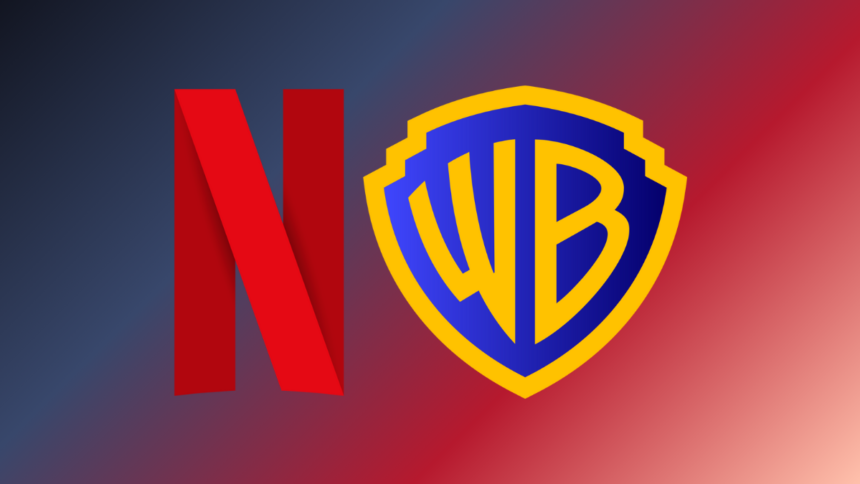
The global entertainment landscape has been fundamentally reshaped by a monumental transaction: Netflix, Inc. has agreed to acquire the studio and streaming assets of Warner Bros. Discovery (WBD) in a deal valued at approximately $83 billion (enterprise value). This acquisition, which includes the iconic Warner Bros. film and TV studios, the prestigious HBO brand, and the HBO Max streaming service, is set to create a content colossus unlike any seen before, uniting streaming’s biggest player with one of Hollywood’s most storied legacy studios.
The deal, which came after a multi-round bidding war involving rivals like Comcast and Paramount Skydance, is structured to occur after WBD spins off its global networks division—including cable channels like CNN, TNT, TBS, and Discovery—into a new, separate, publicly-traded company to be named Discovery Global. This spin-off is expected to be completed in the third quarter of 2026, followed by the merger’s closing, which is anticipated within 12 to 18 months, pending regulatory and shareholder approval.
The Birth of a Streaming Goliath: A New Era of Content Dominance
The combination of Netflix and the acquired Warner Bros. assets marks a dramatic departure from Netflix’s historical preference for organic growth and smaller, strategic acquisitions. Co-CEO Ted Sarandos described it as a “rare opportunity” that will accelerate the company’s mission to “entertain the world.”
Content Library Synergy
The merged entity will control an unmatched library of premium intellectual property (IP) and production capabilities. This synergy is the core value driver of the $83 billion price tag.
- Netflix’s Modern Global Hits: The acquisition brings Netflix’s culture-defining originals like Stranger Things, Squid Game, The Crown, and Bridgerton under the same roof.
- Warner Bros. Timeless Legacy: Netflix gains a 100-year-old studio library, including film classics (Casablanca, The Wizard of Oz), blockbuster franchises (Harry Potter, DC Comics Universe), and enduring TV colossuses (Friends, The Big Bang Theory).
- The HBO Crown Jewels: Perhaps the most prized asset is HBO, with its critical acclaim and “must-see” prestige content, including Game of Thrones, Succession, The White Lotus, The Sopranos, and Euphoria. This instantly elevates Netflix’s standing in premium, quality-driven programming.
As stated by Sarandos, the union will allow them to “combine Warner Bros.’ incredible library… with our culture-defining titles… [to] define the next century of storytelling.”
Subscriber and Revenue Growth
The combined subscriber base will cement Netflix as the undisputed leader in the streaming wars. Netflix currently boasts over 300 million global paid subscribers. WBD last reported 128 million streaming subscribers (including HBO Max and Discovery+). Integrating HBO Max’s audience will provide an immediate and significant boost, creating a platform with greater leverage in the market.
Furthermore, the deal is poised to create a streaming advertising behemoth. Netflix, which debuted its ad-tier in 2022, will now be able to leverage the massive combined audience and diverse content to attract higher ad revenue. The company expects to realize significant annual cost savings, projected to be in the range of $2-3 billion by the third year after closing.
The “Discovery Global” Spin-Off: A Focused Future
A crucial component of the transaction is the prior separation of WBD’s traditional linear TV business. The non-acquired assets will be spun off into a new, standalone, publicly-traded entity named Discovery Global.
- Core Assets: Discovery Global will encompass the non-studio, global networks business, including cable giants like CNN, TNT Sports, Discovery Channel, TBS, HGTV, and their associated digital products.
- Strategic Rationale: This pre-merger separation allows Netflix to acquire the high-growth, IP-rich studio and streaming assets without incurring the debt and operational complexity of WBD’s declining cable TV business. For Discovery Global, the separation creates a more focused company centered on maximizing value from its core network assets and driving free cash flow.
- Leadership: WBD CFO Gunnar Wiedenfels is expected to lead Discovery Global as its CEO post-separation.
Regulatory Gauntlet and Industry Alarm Bells
Despite the enthusiasm from both Netflix and WBD leadership, the proposed merger faces intense scrutiny from regulators and has already drawn significant opposition from industry groups. The sheer scale of the combination—which Bank of America analysts estimate will control over 21% of US streaming viewership—raises serious antitrust concerns.
Antitrust and Monopoly Fears
The deal is the largest media consolidation in over a decade. Critics, including certain U.S. Senators and antitrust lawyers, have labeled the merger an “anti-monopoly nightmare.”
- Reduced Competition: The primary concern is that combining two top-tier streaming services will reduce competition, consumer choice, and eventually lead to higher prices. As one antitrust lawyer noted, Netflix could remove beloved Warner content from rival platforms, forcing consumers to subscribe only to their service.
- Netflix’s Breakup Fee: Netflix has factored in the regulatory risk by offering an unusually large $5.8 billion breakup fee if the deal is blocked due to antitrust or other legal challenges. This signals the company’s expectation of a fierce battle with the Department of Justice and other regulatory bodies in the U.S. and Europe.
Threat to Theatrical Exhibition
The deal has also provoked alarm in the cinema industry. Historically, Netflix has been a pioneer of home viewing and has clashed with traditional theater owners over the exclusive theatrical window. The acquisition gives Netflix control over a major global theatrical distribution network, Warner Bros. Pictures.
- Cinema United’s Opposition: Trade associations representing movie theaters have publicly opposed the merger, warning that it “poses an unprecedented threat to the global exhibition business.” They fear Netflix will drastically cut the window between a film’s theatrical release and its streaming debut, which could “devastate” movie theaters worldwide.
- Netflix’s Pledge: In a notable development, Netflix has pledged to maintain Warner Bros.’ current operations, including theatrical releases for films, and honor existing contractual commitments through 2029. This surprising commitment is seen by some as a necessary concession to mitigate regulatory pushback.
Global Implications and The Future of Storytelling
This acquisition is more than a simple business transaction; it is a profound realignment of Hollywood’s power structure. It completes, in a sense, the “conquest of Hollywood by tech insurgents,” with a Silicon Valley-born streaming giant successfully swallowing a legacy studio.
WBD President and CEO David Zaslav, whose role in the combined company remains uncertain, stated that the decision “reflects the realities of an industry undergoing generational change.” Co-CEO Greg Peters emphasized that the combination would “strengthen the entire entertainment industry” by increasing Netflix’s studio capabilities and its long-term investment in original content.
The immediate implications for the industry and consumers include:
- A Content Juggernaut: An unprecedented concentration of high-quality content and IP on a single platform.
- The Fate of HBO Max: It remains unclear how Netflix will integrate HBO Max. Options range from maintaining it as a premium, separately-priced bundle (like Disney does with its offerings) to fully rolling its content into the main Netflix app.
- Accelerated Consolidation: The creation of this “Goliath” is expected to force smaller media companies to merge or form alliances to remain competitive.
As the industry moves toward the expected closing date in late 2026, the world will be watching to see how this colossal combination navigates the regulatory scrutiny and, ultimately, how it uses its new-found power to “define the next century of storytelling.”